
Your water heater just quit on you. Maybe it’s lukewarm water trickling out of a shower that used to run hot, or maybe there’s a puddle forming at the base of the tank. Either way, you need a plumber for water heater repair, and you need to know you’re calling the right one. The wrong choice can mean overpaying for a simple fix or, worse, getting talked into a full replacement you don’t actually need.
Not every plumber specializes in water heaters, and not every company will give you a straight answer about what’s wrong before running up a bill. That’s something we deal with every day at Bizzy B Plumbing, where our licensed technicians serve homeowners across Knoxville, Alcoa, Maryville, and surrounding East Tennessee communities with honest assessments and upfront pricing.
This article breaks down exactly who to call when your water heater acts up, what questions to ask before you hire anyone, and how to tell whether you’re dealing with a repair or a replacement situation. We’ll cover the warning signs worth paying attention to, what a good plumber should tell you during a diagnosis, and how to avoid the most common mistakes homeowners make when hiring for this type of work.
What a water heater repair plumber does
A plumber for water heater repair does more than just swap out parts. Their job starts with a proper diagnosis, meaning they look at your entire water heater system before they recommend anything. A good technician checks the unit itself, the connections, the pressure, and the fuel or power supply to figure out exactly what caused the problem rather than guessing and billing you for it.
Diagnosing the problem first
Diagnosis is the foundation of the whole job. When a plumber arrives, they should inspect the pilot light or igniter, thermostat settings, anode rod condition, and any visible corrosion or sediment buildup before they tell you what’s wrong. Each of those components can cause symptoms that look identical from the outside, such as lukewarm water or inconsistent temperature.
Skipping a proper diagnosis and jumping straight to a parts replacement is one of the most common ways homeowners end up overpaying for water heater work.
Your plumber should also ask you a few questions during this stage, like how old the unit is, whether the issue came on suddenly or gradually, and whether you’ve noticed any changes in your water bill or water pressure. Those details matter because they help narrow down root causes faster and more accurately.
Common repairs a plumber handles
Not every water heater problem means the whole unit is done. Plumbers handle a wide range of targeted, component-level repairs that can restore your water heater to full function without replacing the entire tank. Here are the most common fixes:
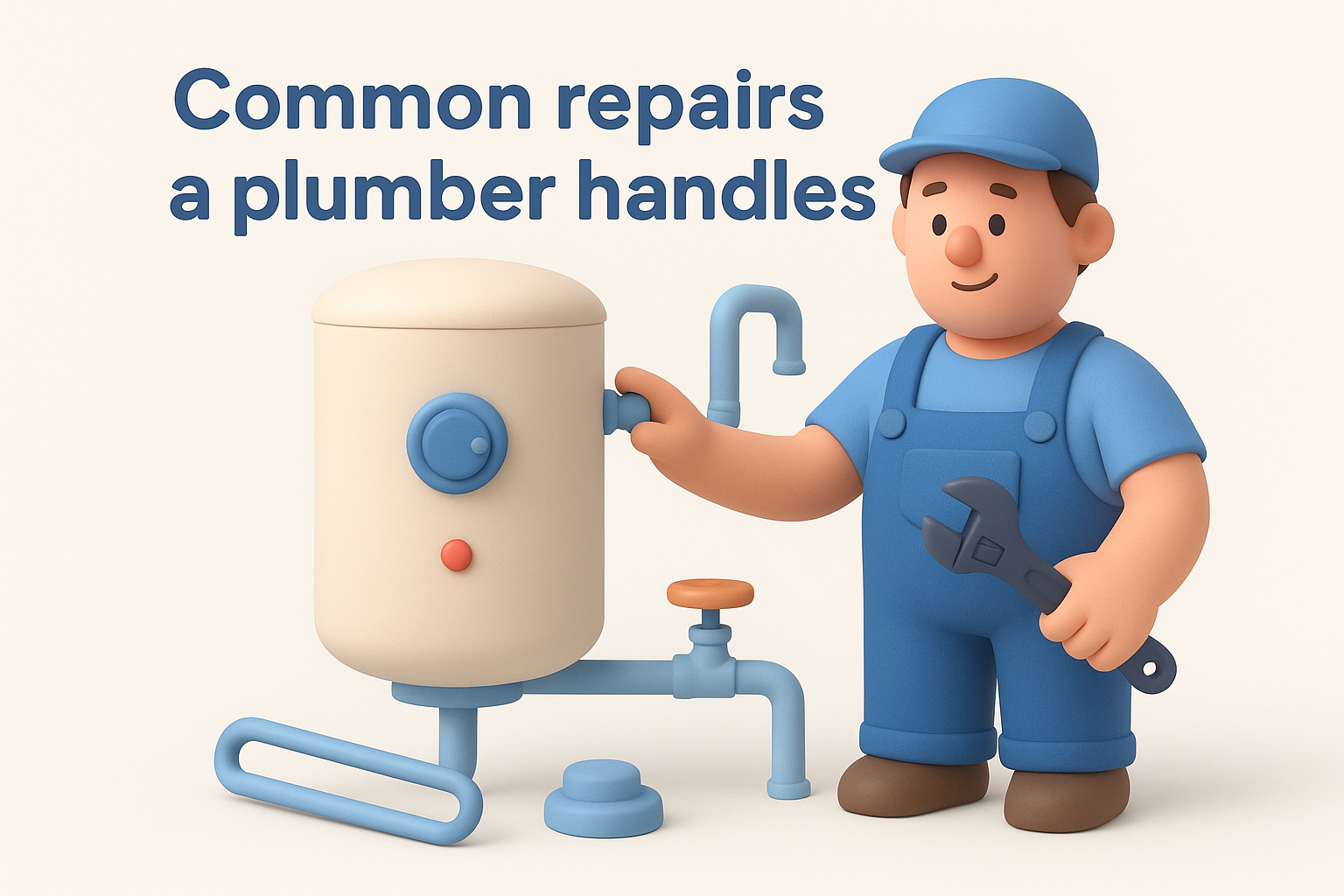
- Thermostat replacement: A faulty thermostat causes inconsistent water temperature. Replacing it is straightforward and usually inexpensive.
- Heating element replacement: On electric water heaters, a burned-out heating element is a frequent cause of no hot water. A plumber can swap this out in a single visit.
- Anode rod replacement: The anode rod prevents your tank from rusting from the inside. When it wears out, your water can smell like sulfur and your tank becomes vulnerable to corrosion.
- Pressure relief valve replacement: This safety component releases pressure if your tank gets too hot. A failing valve is both a performance issue and a safety concern.
- Sediment flushing: Mineral buildup inside the tank reduces efficiency and creates rumbling or popping sounds. Flushing the tank removes that buildup.
- Leak repair: Leaks at fittings, valves, or the cold water inlet are often fixable without replacing the unit.
Your plumber should walk you through which repair applies to your situation and give you a clear price before any work begins.
What the service visit looks like
When a licensed plumber shows up for a water heater repair, the visit follows a fairly consistent structure. They start with a visual inspection of the unit and the surrounding area, checking for signs of leaks, corrosion, improper venting, or code violations. From there, they run through the components most likely responsible for the symptom you reported.
Once they identify the issue, they explain it to you in plain terms and give you a written or verbal quote for the repair cost before touching anything. You should never feel pressured to approve work on the spot. A trustworthy technician gives you time to understand the problem and ask questions.
After the repair, they test the unit to confirm it’s working correctly, check water temperature at the output, and make sure there are no secondary issues that could cause problems down the road. The whole visit typically takes between one and two hours, depending on the complexity of the repair.
When to call a plumber for water heater repair
Some water heater problems can wait a few days without causing serious damage. Others need same-day attention before they turn into a flooded utility room or a complete unit failure. Knowing the difference saves you both money and stress, so here is a straightforward breakdown of what warrants an urgent call versus a scheduled visit.
Signs that need immediate attention
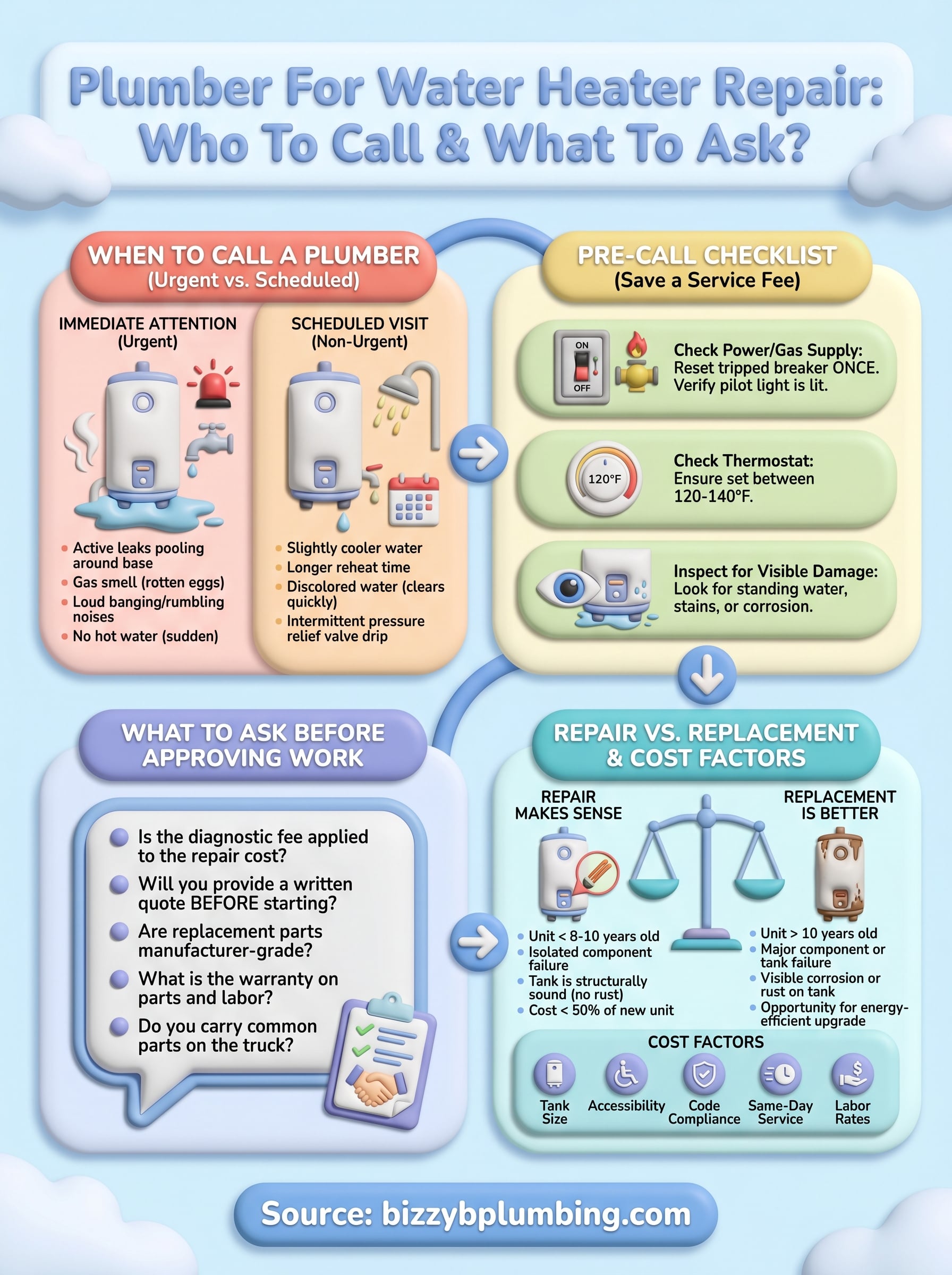
Certain symptoms tell you that calling a plumber for water heater repair right away is the right move. If you see water pooling around the base of your tank, that is not a slow-developing issue you can monitor over time. Active leaks can accelerate quickly, and if the source is a corroded tank wall rather than a loose fitting, you may have very little time before the unit fails entirely.
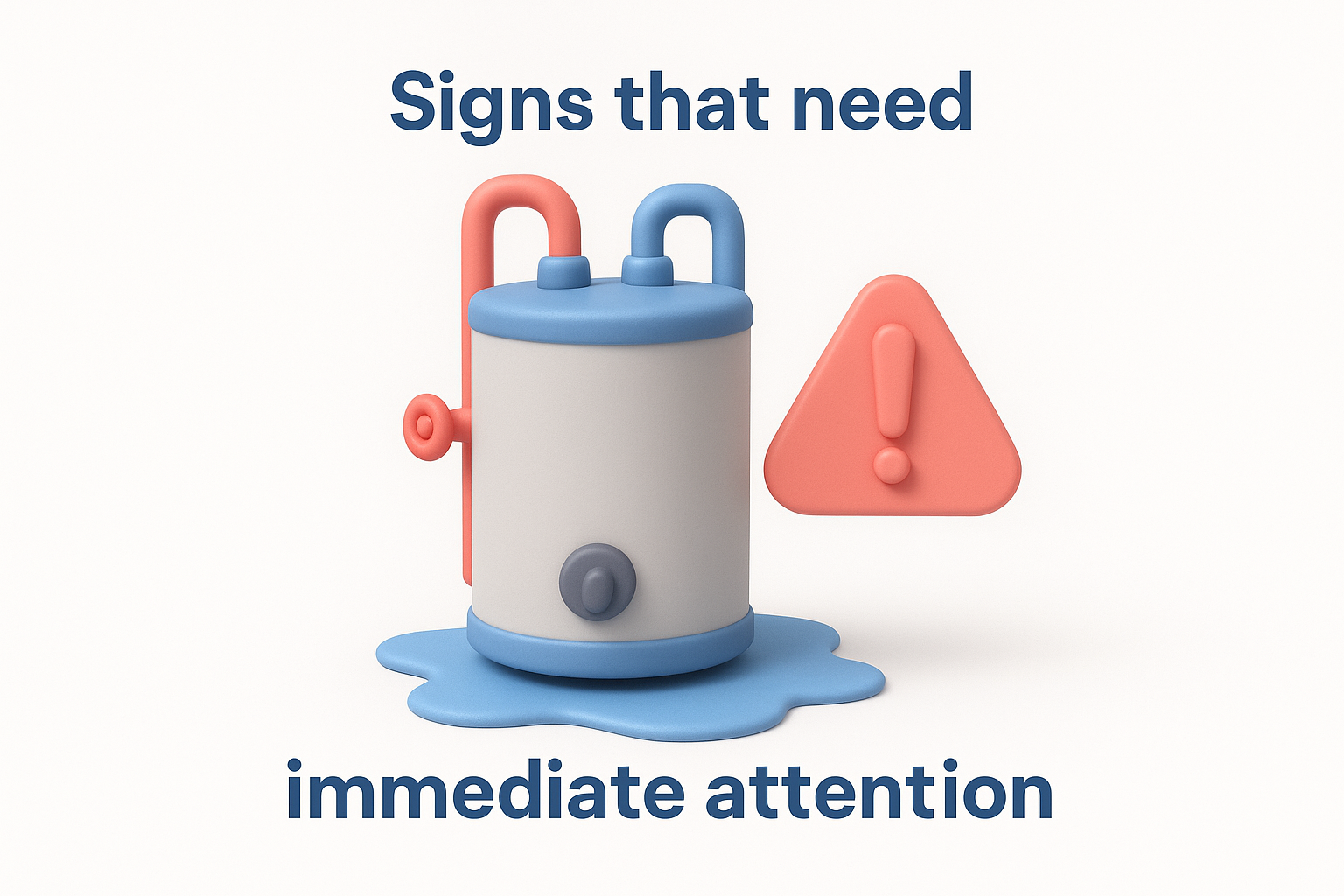
A gas water heater that smells like rotten eggs or sulfur near the unit is a serious warning sign and you should treat it as an emergency until a licensed plumber confirms the source.
You should also call immediately if your water heater makes loud banging, rumbling, or popping sounds that started suddenly. Gradual noise buildup usually points to sediment, but a sudden change in sound can signal a pressure problem or a failing component. Similarly, if you have no hot water at all and your circuit breaker is fine or your pilot light is lit, something inside the unit has failed and it needs a professional diagnosis.
Issues that can wait for a scheduled visit
Not every water heater problem puts you in crisis mode. If your water is slightly cooler than usual or takes longer to reheat between uses, that often points to a worn heating element or thermostat issue rather than a tank failure. You can schedule a visit within a day or two without significant risk.
Discolored or rusty-looking water that appears only at first draw and clears up quickly may indicate a deteriorating anode rod rather than a corroded tank. A plumber can inspect the rod and replace it during a routine visit. Likewise, a pressure relief valve that occasionally drips but does not run continuously is worth addressing soon, but it rarely requires dropping everything to call for emergency service. The key is to pay attention to whether symptoms are getting worse, because a gradual problem that starts accelerating should move you into the urgent category fast.
What to check before you call
Before you pick up the phone, spend five minutes running through a few basic checks that can save you a service call fee. Some water heater problems have a simple fix that does not require a licensed plumber at all, and identifying those situations upfront keeps both your time and your money where they belong.
Check the power or gas supply
Electric water heaters are the most common culprits for a tripped breaker, so head to your electrical panel first and look for any breakers that have flipped to the off position or sit in the middle. Reset any tripped breaker once and give the unit about 30 to 45 minutes to see if it recovers. If the breaker trips again immediately, stop there and call a plumber for water heater repair rather than resetting it a second time.
Repeatedly resetting a tripped breaker on a water heater circuit without a diagnosis can cause further electrical damage or create a fire risk.
Gas water heaters require a working pilot light to function, so check whether yours is lit. Most units have a small viewing window or an indicator light near the burner assembly. If the pilot is out, the manufacturer instructions printed on the unit will walk you through the relighting process step by step. If the pilot will not stay lit after two attempts, that points to a faulty thermocouple, and a technician needs to take over.
Look at the thermostat setting
Someone may have accidentally adjusted your thermostat, especially if the unit sits in a shared space like a garage or utility room. Check the temperature dial and confirm it is set between 120 and 140 degrees Fahrenheit. The U.S. Department of Energy recommends 120 degrees as the optimal setting for most households, balancing comfort and energy efficiency.
Low thermostat settings cause lukewarm water that homeowners frequently mistake for a failing heating element. Adjust the dial, wait an hour, and test the hot water at a faucet before calling anyone.
Inspect for visible damage
Walk around your water heater and look for standing water, wet floor stains, or corrosion on the tank or fittings. Also check the pressure relief valve discharge pipe for signs of dripping. These are details you will want to describe accurately when you do call, and noting them now helps the technician arrive prepared with the right parts for your situation.
What to ask and what to expect
When you contact a plumber for water heater repair, the conversation you have before the technician arrives matters just as much as the work itself. Asking the right questions upfront protects you from surprise charges and gives you a clear picture of what you are actually paying for.
Questions to ask before approving any work
You should have a short list of questions ready before you approve anything. These questions help you filter out companies that rely on vague language to inflate bills, and they set a clear standard for what you expect from the service visit. Here are the most useful ones to ask:
- Is the diagnostic fee applied toward the repair cost? Some companies charge a separate fee just to show up and look at the unit, and it does not count toward the final bill.
- Will you give me a written quote before starting any work? Any reputable plumber commits to a price before touching your system.
- What parts are you replacing, and are they manufacturer-grade? Cheaper aftermarket parts cost less upfront but often fail sooner.
- Is the repair under warranty, and for how long? A confident technician stands behind their work with a stated warranty period.
- Do you carry the necessary parts on the truck? A well-equipped company resolves most repairs in a single visit rather than scheduling a return trip.
If a company cannot answer these questions clearly or becomes evasive when you press for a written quote, that tells you what you need to know before they ever enter your home.
What a fair service visit looks like
A professional technician arrives within the agreed time window, introduces themselves, and puts on shoe covers before walking through your home. They inspect the water heater without rushing, explain what they find in plain language, and give you a clear price for the specific repair before picking up a single tool. You should not hear vague estimates or feel pressure to decide immediately.
Once you approve the work, they complete the repair, test the unit thoroughly, and walk you through what was done and why. A good technician also tells you what to watch for going forward and whether any other components are showing early signs of wear, so you leave the conversation feeling informed, not confused.
Repair vs replacement and cost factors
The decision between repairing your current unit and replacing it entirely comes down to a few concrete factors, not gut feeling. A licensed plumber for water heater repair should walk you through each one before recommending a course of action, because the right answer depends on the age of your unit, the cost of the repair, and the condition of the tank itself.
When repair makes sense
Repair is typically the right call when your unit is under 8 to 10 years old and the problem is isolated to a single component like a heating element, thermostat, or anode rod. Those repairs usually run between $150 and $400 depending on parts and labor in your area, which is well below the cost of a new unit.
A useful rule of thumb: if the repair cost is less than half the price of a replacement unit and the tank shows no corrosion, repair almost always wins on value.
If the tank itself is structurally sound with no rust or cracks, a targeted repair gives you several more years of reliable performance without the full cost of a replacement installation.
When replacement is the better choice
Replacement makes more financial sense when your unit is 10 or more years old and the repair involves a major component, or the tank itself shows signs of internal corrosion or rust. At that point, you are spending real money to extend the life of a unit already past its reliable service window. Repeated repairs on an aging unit add up quickly, and a new water heater installation typically runs between $900 and $1,800 installed, covering parts and labor.
If your current unit runs on older tank technology, replacement also gives you the option to upgrade to a more energy-efficient model, which reduces monthly utility costs over time and often offsets a portion of the installation price.
What affects the final cost
Several variables shift the final repair or replacement cost up or down. Here are the main ones to keep in mind when budgeting:
- Tank size: Larger units require more materials and take longer to service or install.
- Accessibility: A unit in a tight crawl space or closet adds labor time to any job.
- Code compliance: Older installations sometimes require updated venting, piping, or shut-off valves to meet current standards.
- Same-day service: Urgent or after-hours calls may carry a premium over a scheduled visit.
- Labor rates: Costs vary by region, so your local market determines a significant portion of the quote.
Next steps
You now have everything you need to handle a water heater problem with confidence. You know when to call immediately, what to check before picking up the phone, which questions to ask before approving any work, and how to weigh repair against replacement based on real cost factors rather than guesswork.
When you are ready to move forward, work with a licensed plumber for water heater repair who gives you a clear diagnosis, a written quote, and a straightforward explanation before any work begins. That standard protects you every time. At Bizzy B Plumbing, our technicians serve homeowners across Knoxville, Alcoa, Maryville, and surrounding East Tennessee communities with same-day availability and upfront pricing. There are no pressure tactics and no surprises on the final bill. If your water heater is giving you trouble, contact Bizzy B Plumbing today and get a technician out to your home fast.