
Hidden water leaks are one of the most damaging plumbing problems a homeowner can face, precisely because they stay invisible for weeks or months. A slow pipe leak behind a wall or under a slab can rot framing, fuel mold growth, and quietly add hundreds of dollars to your water bill before a single drop appears on the floor.
Key Takeaways
- A sudden spike in your water bill with no change in usage is one of the most reliable early signs of a hidden leak.
- Mold, musty odors, and soft drywall often appear weeks after a leak has already started behind a wall or ceiling.
- The meter test (turn off all water, watch the meter for 15 minutes) is the fastest free way to confirm a leak exists.
- Knoxville’s clay-heavy soil and freeze-thaw winters put extra stress on supply lines and slab pipes, making annual leak checks a smart habit.
- Catching a leak early almost always costs far less to fix than repairing the water damage it causes if left alone.
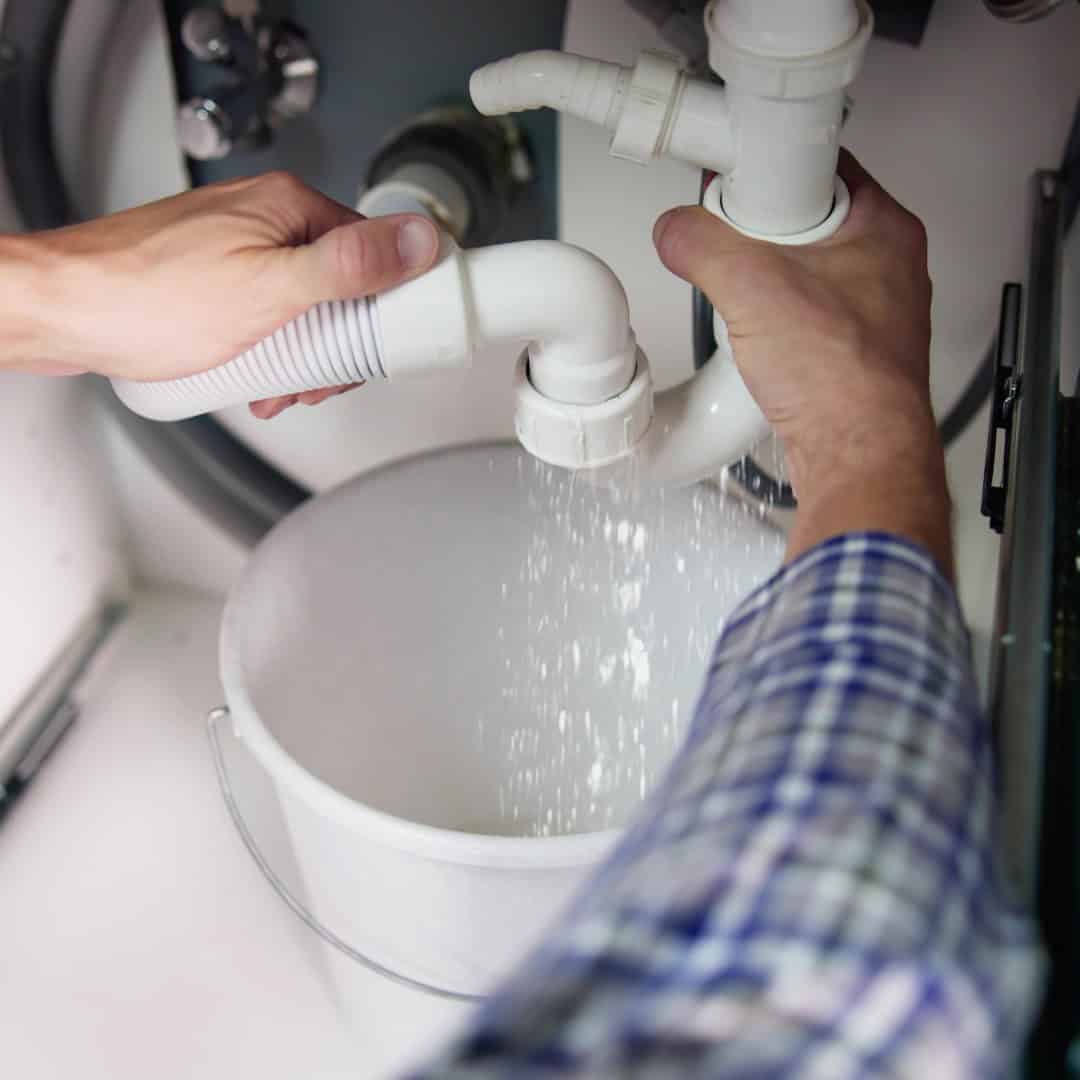
Why Are Hidden Water Leaks So Common in Knoxville Homes?
Knoxville’s climate creates specific conditions that accelerate pipe wear. Winters regularly dip below freezing, and the area’s expansive clay soil shifts with moisture changes, putting mechanical stress on underground supply lines and slab-embedded pipes. Older neighborhoods like Fountain City, Bearden, and Sequoyah Hills often have homes with original copper or galvanized steel pipes that are decades old and prone to pinhole leaks.
According to the U.S. Environmental Protection Agency, household leaks waste nearly 1 trillion gallons of water nationwide each year, and a single dripping faucet or running toilet can waste more than 3,000 gallons annually. The leaks you can’t see are often far worse.
Knowing what to look for is the first step. Here are the eight warning signs that deserve your immediate attention.
Sign 1: Your Water Bill Jumps Without Explanation
An unexplained increase of 20 percent or more on your water bill, with no change in household habits, is a strong indicator of a hidden leak. Even a small pinhole in a supply line can lose dozens of gallons per day. Compare your bill month-over-month and year-over-year to spot the pattern.
Knoxville Utilities Board (KUB) customers can log into their online account to view daily usage graphs. A flat line that suddenly spikes, especially overnight when no one is using water, points directly to a leak somewhere in the system.
The Meter Test
- Turn off every water fixture in the house, including the ice maker and irrigation system.
- Locate your water meter (usually near the street or at the property line).
- Note the current reading, then wait 15 to 30 minutes without using any water.
- Check the meter again. If the dial or digital reading has moved, water is flowing somewhere it shouldn’t be.
Sign 2: Unexplained Low Water Pressure
A drop in water pressure throughout the house, not just at one fixture, often means water is escaping the supply line before it reaches your taps. If pressure drops gradually over several weeks, a slow leak is a likely cause. A sudden drop can signal a pipe has burst or cracked.
Low pressure at a single fixture usually points to a localized clog or valve issue. Pressure that’s low everywhere is a different problem. Our guide on 8 Causes Of Low Water Pressure In House For Knoxville Homes walks through the full list of culprits, including leaks.

Sign 3: Discolored, Warped, or Soft Walls and Ceilings
Water stains on drywall, bubbling paint, or a ceiling that feels soft when you press it are signs that moisture has been sitting behind the surface for a while. By the time you see visible damage, the leak has usually been active for weeks. Yellow or brown rings on a ceiling almost always trace back to a pipe, roof penetration, or fixture above that spot.
Don’t assume a stain is old just because it looks dry. Leaks can be intermittent, especially supply line leaks that only flow when water pressure is high. Press the area gently. Soft, spongy drywall means active moisture is still present.
What to Check
- Ceiling stains directly below a bathroom or kitchen
- Warped or buckled hardwood or laminate flooring
- Peeling paint or wallpaper with no obvious cause
- Soft spots in drywall, especially near plumbing walls
- Discoloration along baseboards at floor level
Sign 4: Mold or a Persistent Musty Smell
Mold can begin growing on wet drywall or wood framing within 24 to 48 hours of water exposure, according to the EPA. If you smell something musty in a bathroom, under a sink, or in a closet that shares a wall with plumbing, that odor is often the first sign of mold growing behind the surface where you can’t see it.
Mold remediation on top of plumbing repair is significantly more expensive than catching the leak early. A musty smell that comes and goes with humidity is still worth investigating, because it suggests moisture is cycling in and out of a hidden space.
The cheapest water leak repair is always the one you catch before the mold and rot set in.
Sign 5: Warm or Wet Spots on the Floor
A warm patch on a concrete slab floor, especially in a hallway or living area with no radiant heating, is a classic sign of a slab leak. Hot water supply lines run under many Knoxville slab-foundation homes, and when one develops a pinhole, it heats the concrete above it. You might feel the warmth through tile or notice the area stays damp.
Slab leaks are particularly serious because the water can undermine the foundation over time. They also tend to be harder to locate without professional equipment. Our Leak Detection Services Knoxville TN page explains how electronic and acoustic detection tools find leaks without unnecessary demolition.
Other Floor-Level Warning Signs
- Flooring that feels damp or soft underfoot with no spill to explain it
- Grout lines that are cracking or tiles that have shifted
- A faint sound of running water when all fixtures are off
- Efflorescence (white mineral deposits) on a concrete slab or basement floor
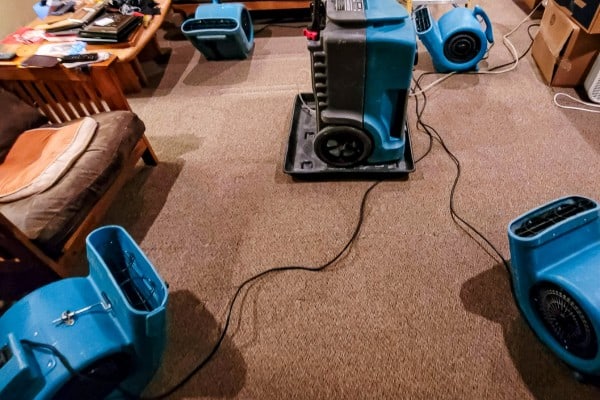
Sign 6: The Sound of Running Water When Nothing Is On
If you hear water moving through pipes, a hissing sound behind a wall, or a faint dripping when every fixture in the house is off, trust your ears. These sounds are often most noticeable at night when the house is quiet. A hissing or whooshing sound inside a wall usually means pressurized water is escaping a supply line.
Drain line leaks are quieter and harder to hear, but they can still cause significant damage. If you hear gurgling from a drain that isn’t in use, that can point to a venting or drain issue worth investigating. Our post on Drain Repair Services Homeowners Can Trust covers what those sounds typically mean.
Sign 7: Cracks in the Foundation or Exterior Walls
A water line leak under or near your foundation can saturate the soil, causing it to shift and settle unevenly. In Knoxville’s clay-heavy soil, this effect is amplified because clay expands when wet and contracts when dry, creating a cycle of movement that stresses the foundation. New cracks in drywall, especially diagonal cracks near door frames, or cracks in the exterior brick or mortar can be a downstream symptom of a plumbing leak you haven’t found yet.
This is also why a crawl space sump pump failure is a serious issue. If your crawl space pump has stopped working, standing water can accumulate and begin affecting the structure above it. Check out our post on Crawl Space Pump Quit? Knoxville Flood Warning Signs for what to watch for.
If you suspect a supply line under the yard or near the foundation is the source, our Water Line Repair and Replacement service page covers how those repairs are handled.
Sign 8: Rust, Corrosion, or Mineral Buildup Around Pipes and Fixtures
Visible corrosion on exposed pipe connections under sinks, around the water heater, or at shutoff valves is a sign that moisture has been present for a while. Even a slow seep at a joint will leave behind mineral deposits (often white or greenish) as the water evaporates. These deposits are a reliable indicator that a fitting is weeping, even if you don’t see active dripping.
Knoxville’s water supply has moderate hardness, which means mineral scale builds up faster on corroding fittings. If you spot green or white crust around a pipe connection, that joint deserves a closer look. Left alone, a seeping joint can fail completely without warning.
Water heater connections are a common spot for this kind of slow leak. If you notice corrosion around your water heater’s inlet or outlet fittings, our guide on Plumber For Water Heater Repair: Who To Call & What To Ask? explains when a repair makes sense versus a full replacement.
What to Do When You Suspect a Hidden Water Leak
Don’t wait to see if the problem gets worse. Here’s a practical sequence to follow:
- Run the meter test described above to confirm water is moving when it shouldn’t be.
- Check all visible supply lines under sinks, behind toilets, and at the water heater for corrosion or moisture.
- Look in the crawl space or basement for standing water, wet insulation, or damp framing.
- Note any warm floor spots, musty smells, or wall discoloration and photograph them before calling a plumber.
- Turn off the main water supply if you hear active running water or see active dripping, then call a plumber.
If you’re dealing with an active leak that’s causing visible damage, treat it as an emergency. Our post on Plumbing Emergency in Knoxville TN? What to Do Right Now walks through exactly what to do step by step.
For older Knoxville homes where multiple pipes are showing their age, it may be worth understanding the full scope of what repiping involves. Our breakdown of the Cost To Repipe A House: 2026 Prices By Size, PEX Vs. Copper gives you realistic numbers to plan around.
Ready to Find That Leak? Contact Bizzy B Plumbing
If you’ve spotted one or more of these warning signs in your Knoxville home, don’t put it off. Hidden water leaks get more expensive the longer they sit. Call Bizzy B Plumbing at (865) 233-3900 to schedule a leak detection inspection. Our team serves Knoxville and the surrounding area with professional plumbing leak detection and repair.
FAQs
How do I know if I have a hidden water leak?
The most reliable signs are an unexplained spike in your water bill, the sound of running water when all fixtures are off, soft or discolored drywall, musty odors, and warm spots on a slab floor. Running the water meter test (shut off all water and watch the meter for 15 to 30 minutes) can confirm a leak is present even before you find it.
Can a hidden water leak cause mold?
Yes. The EPA notes that mold can begin growing on wet building materials within 24 to 48 hours of water exposure. A slow leak behind drywall or under flooring creates exactly the dark, damp environment mold needs. By the time you smell it, mold is usually already established behind the surface.
What is a slab leak and how do I know if I have one?
A slab leak is a break or pinhole in a water line that runs beneath a concrete foundation. Warning signs include warm spots on the floor, the sound of running water when nothing is on, cracks appearing in walls or flooring, and a rising water bill. Slab leaks require professional electronic or acoustic detection equipment to locate accurately.
Can I find a hidden water leak myself?
You can confirm a leak exists using the water meter test and identify surface symptoms like stains, soft drywall, or musty smells. But locating the exact source of a leak inside a wall, under a slab, or underground typically requires professional acoustic or electronic detection equipment. Guessing and opening walls without a confirmed location adds unnecessary repair cost.
Will my water bill go back to normal after a leak is fixed?
Yes, in most cases your bill will return to its previous baseline within one to two billing cycles after a leak is repaired. If it doesn’t, there may be a second leak or a different issue, such as a running toilet or a faulty irrigation valve, still wasting water.
How long can a hidden water leak go undetected?
Slow pinhole leaks can go undetected for months or even years, especially in areas like crawl spaces, inside walls, or under slabs where no one regularly looks. The damage accumulates the entire time. Annual visual inspections of exposed plumbing and periodic meter checks are the best way to catch leaks early.
What should I do if I find an active water leak in my home?
Shut off the main water supply valve immediately to stop the flow, then call a plumber. Move any valuables or furniture away from the wet area and document the damage with photos for insurance purposes. Do not turn the water back on until a plumber has assessed and repaired the source of the leak.