

The Best Experiences With Local Water Line Repair Services: What You Should Expect
A sudden drop in water flow or a skyrocketing utility bill can signal hidden water line damage that costs homeowners an average of $950 per repair. Understanding what are common customer experiences with water line repair services in your area empowers you to anticipate costs, timelines, and quality standards before calling a professional.
This article maps out the key warning signs of a broken water line, the root causes that lead to leaks, the step-by-step repair journey, cost drivers, criteria for selecting a trusted plumber, real-life feedback from homeowners, and proactive steps to prevent future issues. Drawing on local service expertise, transparent pricing practices, and prompt response commitments, you’ll gain clarity on what to expect at every stage—from acoustic leak detection through trenchless restoration and final property clean-up.
Whether you’re troubleshooting low pressure or planning long-term maintenance, this guide lays the foundation for a smooth, confidence-inspiring water line repair experience.
What Are the Most Common Signs of a Broken Water Line?
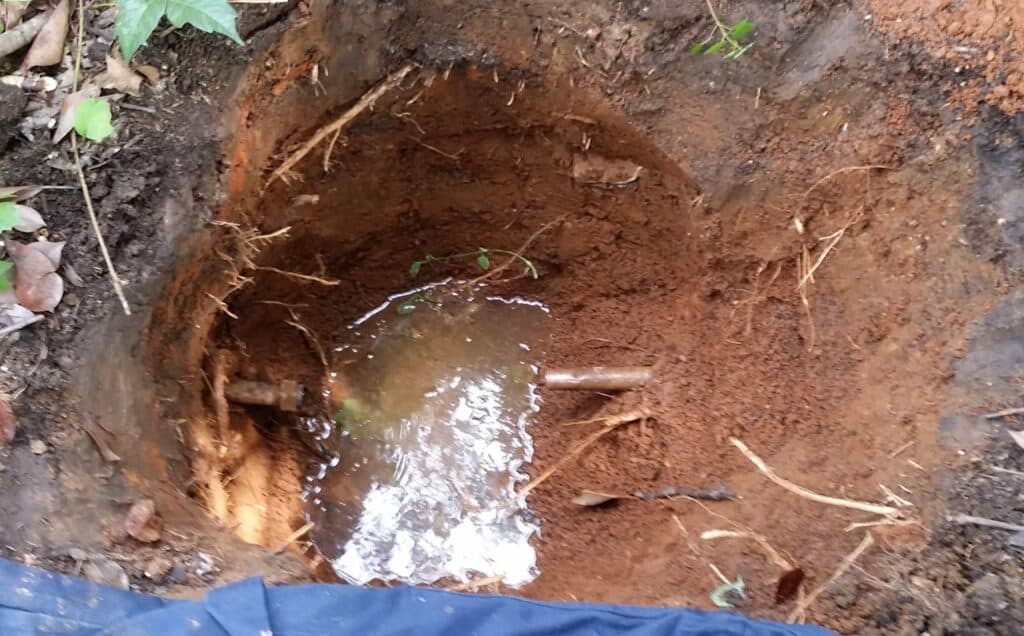
A broken water line often reveals itself through changes in water quality, pressure, and unexpected yard conditions. Early recognition of these symptoms enables homeowners to secure timely leak detection services that prevent extensive property damage and water waste. Below are the principal indicators that your main supply pipe may be compromised.
How Does Low Water Pressure Indicate Water Line Issues?
Low water pressure often results when a hidden leak reduces the flow volume traveling through the main line. A gradual decline in faucet output or shower force reflects diminished internal pipe integrity, which can stem from pinhole perforations or joint failures. For example, customers who report a drop to under 40 psi frequently discover fractures in aged copper piping. Recognizing this symptom prompts an acoustic inspection that local plumbers perform to pinpoint the leak location.
What Does Discolored or Cloudy Water Reveal About Your Pipes?
Discolored or cloudy water signals internal pipe corrosion or sediment influx at the breach point. Brownish or rusty hues indicate iron oxidation within aging steel lines, while white cloudiness suggests mineral agitation from a developing crack. Homeowners encountering these visual warnings often request camera inspections to confirm pipe wall thinning or joint separation before scheduling repairs.
How Can Wet Spots and Strange Noises Signal a Leak?
Unexplained soggy patches in the yard or beneath a concrete slab emerge when pressurized water seeps out of a fissure. In tandem, gurgling or rattling sounds inside walls occur as escaping water disrupts pipe alignment. Observing these physical and auditory cues leads technicians to ground-penetrating radar or electronic listening equipment for accurate subterranean mapping of the damaged section.
Why Do Sudden Increases in Water Bills Suggest a Water Line Problem?
A spike in monthly water usage—often 30 percent or more—without a corresponding change in household behavior points to concealed leaks. Continuous low-volume leaks can waste thousands of gallons before becoming visible, driving bills up unexpectedly. Tracking these financial anomalies provides homeowners with a clear trigger to engage professional leak detection and avoid excessive costs down the line.
What Are the Main Causes of Water Line Damage and Leaks?
Water line integrity depends on material quality, environmental stresses, and installation standards. Identifying root causes of pipe failure guides both immediate repair choices and long-term prevention strategies. Below are the primary factors that compromise underground water infrastructure.
How Do Aging Pipes and Corrosion Affect Water Line Integrity?
Over decades, metallic pipes undergo gradual corrosion as oxygen and minerals erode the interior surface. This process leads to thinning walls, perforations, and brittleness that escalate leak risk. Customers with pre-1970s plumbing often face recurring repairs due to galvanic corrosion in mixed-metal connections, underscoring the necessity of material upgrades during routine maintenance.
What Role Do Tree Roots and Shifting Soil Play in Pipe Damage?
Tree roots naturally seek moisture sources, infiltrating microscopic cracks and expanding seams under constant water pressure. Concurrently, soil movement—driven by freeze–thaw cycles or heavy equipment—can bend or fracture buried lines. Reports from local homeowners in wooded lots confirm that root intrusion and ground shifts account for nearly 25 percent of main line breaks.
How Can Freezing Temperatures and Poor Installation Lead to Breaks?
In regions experiencing sub-20 °F winters, water trapped in uninsulated sections expands, exerting destructive force on pipe walls. Improper backfill compaction or flawed joint fittings exacerbate susceptibility to cold-weather fractures. Homeowners who opt for basic trenching without protective sleeves often require post-winter emergency repairs when pipes snapped by ice.
What Should You Expect During the Water Line Repair Process?
Navigating a water line repair project involves sequential steps from diagnostics through restoration. A clear understanding of each phase helps homeowners plan for on-site activity, property access, and timeline milestones.
How Is the Initial Leak Detection and Assessment Conducted?
Plumbers begin with noninvasive leak detection methods—acoustic listening devices, infrared imaging, or pressurized tracer gases—to locate breaches. During this diagnosis, technicians capture real-time data on leak size and depth, enabling customers to approve targeted excavation or trenchless interventions based on precise service estimates.
When Is Repair Preferred Over Replacement?
Repair becomes the cost-effective choice when damage is isolated, pipe age is under 30 years, and material integrity remains otherwise intact. For small perforations or joint separations, sectional patching with corrosion-resistant couplings restores full system pressure without the expense of a full line replacement.
How Much Does Water Line Repair Cost and What Influences Pricing?
Water line repair expenses vary widely based on damage severity, repair method, and local labor rates. Transparent pricing empowers homeowners to budget accurately and compare service options.
How Do Damage Severity, Pipe Material, and Labor Affect Costs?
Repair costs escalate when leaks occur in rocky or deep trenches requiring heavy-equipment mobilization. Upgrading from PVC to high-density polyethylene or copper with corrosion barriers influences material invoices, while emergency after-hours calls incur premium labor surcharges.
How Do You Choose a Reliable Local Water Line Repair Company?
Selecting the right plumber ensures professional standards, clear communication, and fair pricing throughout the project. Our team at Bizzy B Plumbing is available 24hrs a day for you.
What Key Qualities Should You Look for in a Licensed Plumber?
A reputable provider holds state-issued plumbing licenses, carries general liability insurance, and employs technicians with certification in leak detection technology. Verifiable bonding and adherence to local building codes reinforce their commitment to quality workmanship.
How Can Customer Reviews and Testimonials Guide Your Choice?
Reading detailed narratives from past clients reveals service responsiveness, on-site professionalism, and post-repair satisfaction levels. Homeowners often mention punctuality and clarity of estimates as decisive factors in recurring business and referrals.
Why Is Transparent Pricing and Warranty Important in Water Line Repair?
Up-front cost breakdowns prevent unexpected surcharges on permit fees or materials, while written warranties covering both labor and parts protect against future leaks. A plumber offering at least a one-year guarantee demonstrates confidence in their repair methods and safeguards homeowner investments.
What Are Real Customer Experiences and Expectations With Water Line Repair?
Genuine customer stories shed light on the practical realities and emotional relief associated with professional water line services. These insights inform realistic expectations for scheduling, communication, and final outcomes.
How Do Prompt Response and Emergency Services Impact Satisfaction?
Rapid dispatch for urgent leaks—often within two hours—prevents secondary water damage and mold growth. Homeowners report higher satisfaction when emergency teams arrive equipped to diagnose and execute temporary patches until permanent solutions can be scheduled.
How Can Homeowners Prevent Future Water Line Issues?
Proactive care and environmental awareness extend water line longevity and reduce unplanned repair costs. Implementing routine checks and protective measures shields underground pipes from common hazards.
What Plumbing Maintenance Tips Help Protect Water Lines?
Annual inspections by licensed technicians at Bizzy B Plumbing detect emerging corrosion, pressure anomalies, or material fatigue before full-blown leaks develop. Installing pressure regulators safeguards against high-pressure surges that accelerate joint stress and fatigue failures.
How Can You Protect Pipes From Freezing and Tree Root Damage?
Strategically routing irrigation systems away from large trees and installing root barrier membranes preserves pipe integrity. In colder months, insulating exposed lines and maintaining a slow drip from outdoor faucets prevents ice formation within the pipe interior.
Why Are Regular Inspections and Pressure Regulation Important?
Consistent monitoring of supply line pressure—keeping it between 40 and 60 psi—limits stress on seals and seams. Biannual leak detection scans combined with pressure gauge checks give homeowners the earliest warning of system degradation, ensuring timely interventions and uninterrupted service.
Water line repair need not be an unpredictable ordeal when you know what to expect at every step. By recognizing early signs, understanding the underlying causes, and partnering with a qualified local plumber offering transparent pricing and clear communication, you set the stage for a seamless repair journey. Real customer feedback underscores the value of prompt emergency response, professional diagnostics, and meticulous property restoration. With routine inspections, proper insulation, and mindful landscaping, homeowners can minimize future risks and enjoy reliable water service for years to come.