
Why Does My Sewer Line Keep Backing Up? Common Causes and Solutions
A sewer line that backs up repeatedly is almost always caused by one of four things: a grease or debris blockage, tree root intrusion, a collapsed or cracked pipe, or a problem with the city connection. The most common culprit in Knoxville homes is a partial blockage that never fully clears, either because the clog is deep in the main line or because roots have started narrowing the pipe. A single slow drain is usually a fixture issue. When multiple drains back up at once, the problem is in the main sewer line.
The good news is that the symptom pattern tells you a lot before a plumber even arrives. Use the sections below to match what you’re seeing to the most likely cause, figure out what you can safely check yourself, and know when it’s time to call in a pro.
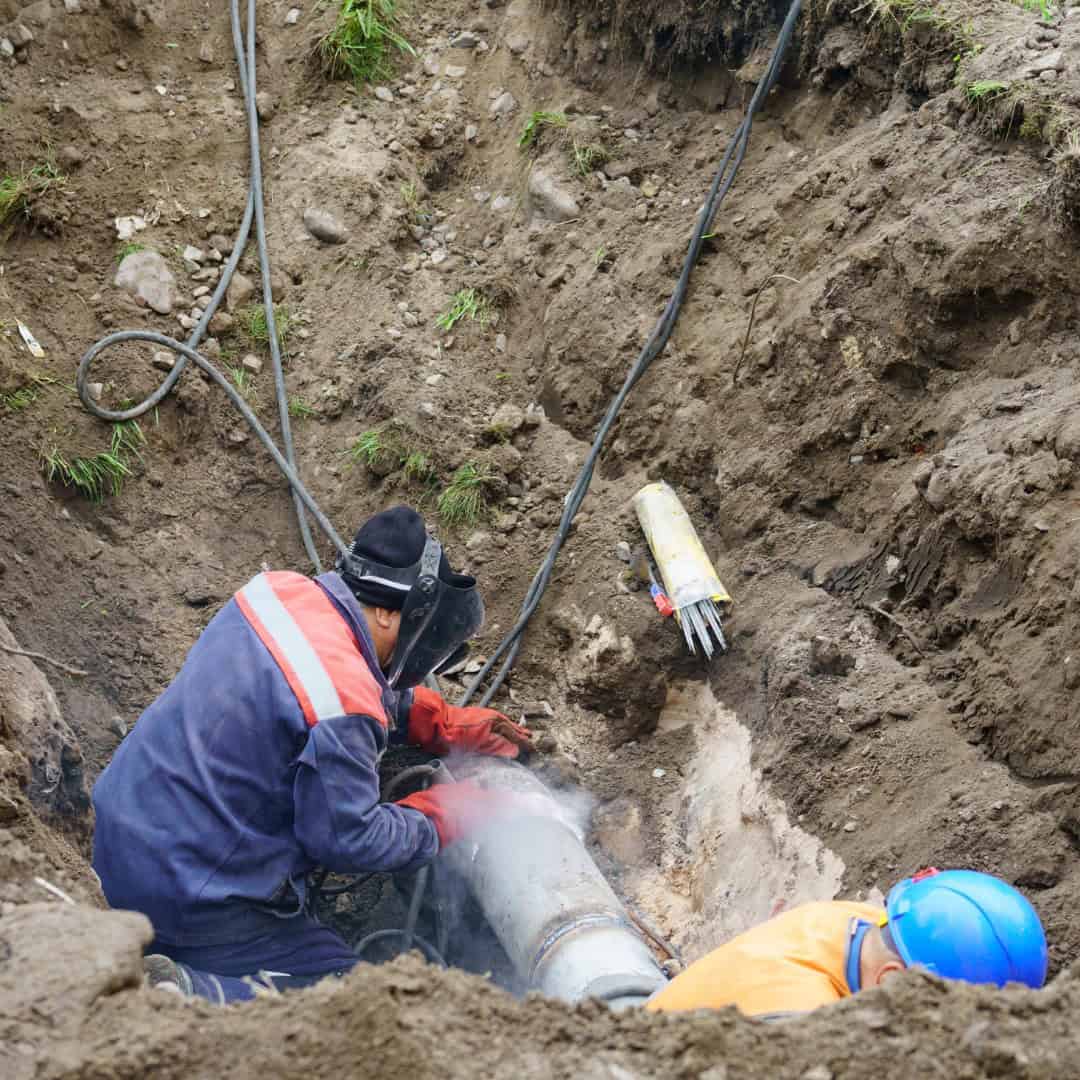
Quick Symptom-to-Cause Reference
Use this table to find your situation fast, then read the matching section below for details.
| What You’re Noticing | Most Likely Cause | DIY or Pro? |
|---|---|---|
| One slow drain, no smell | Localized clog (hair, soap, grease) | DIY first |
| Multiple drains slow or gurgling at the same time | Main sewer line blockage | Pro |
| Toilet gurgles when you run the sink | Partial main line blockage or venting issue | Pro |
| Sewage smell in yard or wet patch near cleanout | Cracked pipe or root intrusion | Pro |
| Backup only after heavy rain | Infiltration or city line surcharge | Pro |
| Recurring backup every few months | Root intrusion or partial collapse | Pro (camera inspection) |
| Sewage backing up into tub or floor drain | Full main line blockage | Pro, urgent |
If You Notice One Slow Drain (Sink, Tub, or Shower)
A single slow drain almost always means the clog is local to that fixture’s branch line, not the main sewer. Hair, soap scum, and grease are the usual suspects. This is the one scenario where a homeowner can often fix it without calling anyone.
What’s Happening
Debris builds up on the drain stopper or inside the P-trap, the curved section of pipe directly under the fixture. Water still drains, just slowly, because the blockage is partial.
What You Can Safely Check
- Remove and clean the drain stopper or strainer. Hair and soap buildup often collect right there.
- Use a drain snake (also called a hand auger) to clear the P-trap and the first few feet of pipe. A 25-foot snake handles most fixture clogs.
- Avoid chemical drain cleaners. They can damage older pipes and rarely clear a true blockage fully.
When to Call a Plumber
If snaking the drain doesn’t fix it, or if the same drain clogs again within a few weeks, the blockage is likely deeper. A plumber can run a longer cable or use a hydro-jet to clear the line properly. You can learn more about what professional drain work involves on our drain repair services homeowners can trust page.
If Multiple Drains Are Slow or Gurgling at the Same Time
When two or more fixtures back up together, or when you flush the toilet and hear gurgling from a nearby sink, the blockage is in the main sewer line. This is not a DIY situation.
What’s Happening
Your home’s branch drain lines all feed into one main sewer line that runs out to the street or a septic tank. A blockage anywhere in that main line backs up every fixture downstream of it. Grease accumulation is a frequent cause. Fats, oils, and grease cool and solidify inside pipes, narrowing the opening over time until flow stops completely.
The CDC’s sanitation resources note that sewer backups can expose residents to raw sewage, which carries bacteria and pathogens. Don’t let standing sewage sit in your home.
What You Can Safely Check
- Locate your main cleanout, usually a white or black capped pipe near the foundation or in the yard. If sewage is visible at or above the cleanout cap, the main line is blocked.
- Stop using water in the house until the line is cleared. Every flush or sink use pushes more sewage back into the home.
- Do not attempt to open the cleanout yourself if sewage is under pressure. It can release forcefully.
When to Call a Plumber
Call immediately. A plumber will run a powered auger or hydro-jet through the main cleanout to break up the blockage. If the backup is recurring, they’ll follow up with a camera inspection to find out why.
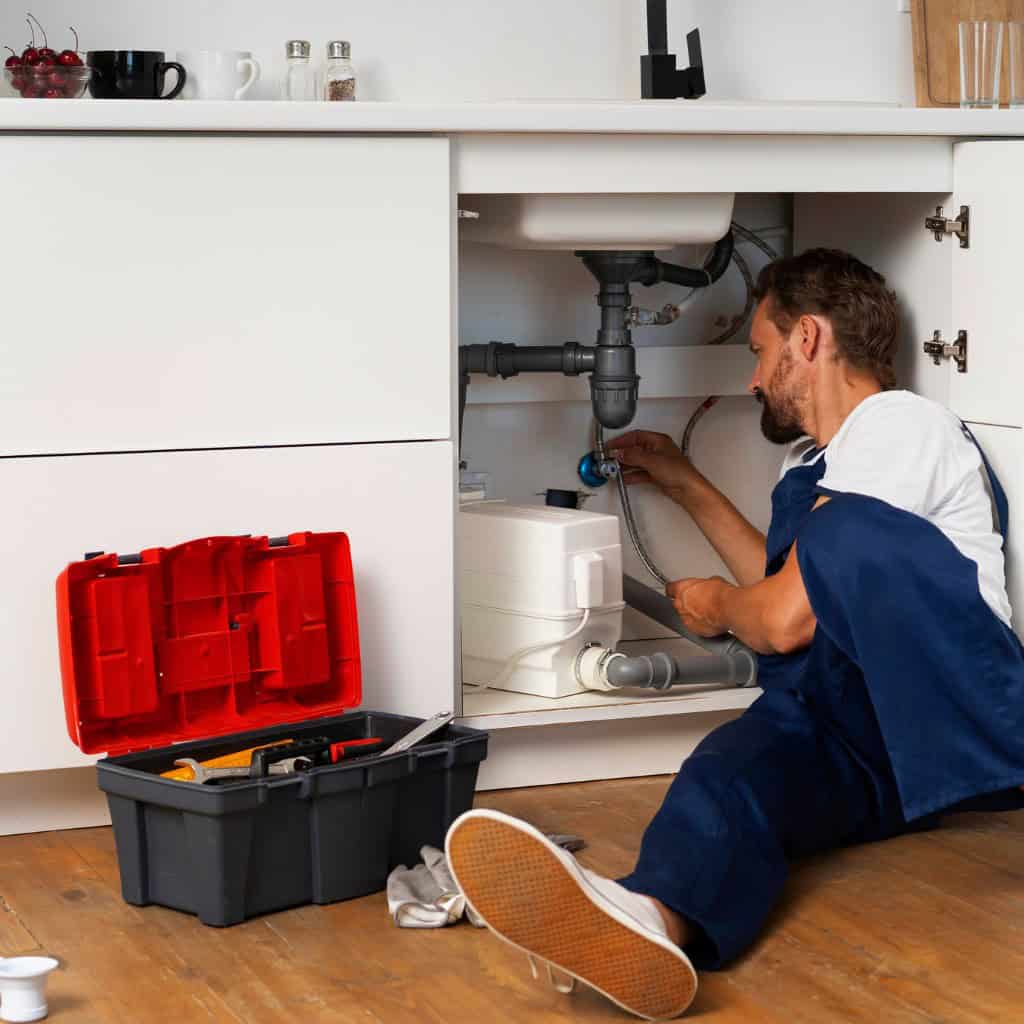
If the Backup Happens Only After Heavy Rain
Rain-triggered backups point to one of two problems: groundwater infiltrating your sewer line through cracks, or the city’s sewer main surcharging (filling up) and pushing sewage backward into your lateral line.
What’s Happening
Knoxville sits in a region with clay-heavy soils and significant seasonal rainfall. Clay soil shifts and swells when saturated, which puts pressure on older clay or cast-iron sewer pipes. Cracks let groundwater pour in during storms, overwhelming the line’s capacity. Separately, if the city’s main sewer is at capacity during a heavy storm, sewage can flow backward through your connection.
A sewer line that only backs up in the rain is telling you something specific: water is getting in where it shouldn’t, and that problem will get worse, not better, on its own.
What You Can Safely Check
- Note the pattern. Does the backup happen every time it rains hard, or only after extended wet periods? That timing helps a plumber narrow down whether it’s infiltration or city surcharge.
- Check whether neighbors are experiencing the same issue. If it’s widespread, the city main may be the source.
- Contact Knoxville Utilities Board (KUB) to report the issue if you suspect the city main is involved. They can check the public line on their end.
When to Call a Plumber
A camera inspection is the only reliable way to confirm whether your lateral line has cracks letting water in. If it does, you may need pipe lining or partial replacement. This is also a good time to check whether your crawl space sump pump is keeping up. Our post on crawl space pump failures and Knoxville flood warning signs covers what to watch for there.
If You Smell Sewage in the Yard or See a Wet Patch Near the Cleanout
A sewage smell outside, or a soggy area in the yard that doesn’t dry out, usually means your sewer line is leaking underground. This is a more serious structural problem than a simple clog.
What’s Happening
Older homes in Knoxville, particularly those built before the 1980s, often have clay tile or cast-iron sewer lines. These materials crack, corrode, and separate at the joints over decades. When a pipe cracks or a joint fails, sewage leaks into the surrounding soil instead of flowing to the street. You’ll often notice a persistently green or lush patch of grass above the line, a foul odor, or soft ground.
What You Can Safely Check
- Walk the path of your sewer line from the house to the street. Look for unusually green grass, sunken ground, or soft spots.
- Check whether the smell is stronger near the cleanout cap or near the foundation.
- Do not dig yourself. Underground utilities run throughout Knoxville neighborhoods, and disturbing a sewer line without knowing what’s around it is dangerous.
When to Call a Plumber
Call right away. A plumber will use a camera to locate the break and determine whether the pipe can be lined (a trenchless repair) or needs to be excavated and replaced. Our leak detection services in Knoxville, TN can pinpoint the problem before any digging starts.
If the Backup Keeps Coming Back Every Few Months
Recurring backups, where a plumber clears the line and it backs up again within weeks or months, almost always mean tree roots. This is one of the most common sewer problems in established Knoxville neighborhoods like Bearden, Sequoyah Hills, and West Hills, where mature oak, maple, and willow trees are everywhere.
What’s Happening
Tree roots naturally seek moisture. Even a hairline crack in a sewer pipe releases enough water vapor to attract roots. Once a root finds an opening, it grows inside the pipe, creating a net that catches toilet paper and debris. The line clears after a snaking, but the roots grow back, usually within 3 to 6 months if not treated.
According to the USDA Natural Resources Conservation Service, urban soils in older neighborhoods are often compacted and disturbed, which pushes tree roots to follow utility trenches, the very paths where sewer lines run.
What You Can Safely Check
- Look at the trees in your yard and along the street. Large trees within 20 to 30 feet of your sewer line are prime suspects.
- Ask your plumber whether they pulled roots out during the last clearing. If yes, roots are almost certainly the cause.
When to Call a Plumber
A camera inspection confirms root intrusion and shows how severe it is. Options range from periodic root cutting (a maintenance approach) to pipe lining or full replacement if the pipe is badly damaged. If the repair turns out to be a larger project, ask about financing options to spread the cost.

If Sewage Is Backing Up Into Your Tub or Floor Drain
Sewage coming up through a tub drain or basement floor drain is a full main line blockage. This is the most urgent scenario and needs immediate professional attention.
What’s Happening
When the main sewer line is completely blocked, sewage has nowhere to go but backward. It finds the lowest point in your drain system, which is usually a ground-floor tub, a floor drain, or a basement toilet. Raw sewage in your home is a health hazard and can cause significant damage to flooring and subfloor materials within hours.
What You Can Safely Check
- Turn off the water supply to the house to stop adding to the problem.
- Do not use any plumbing fixtures.
- Keep people and pets away from the affected area.
- Do not run your washing machine or dishwasher.
When to Call a Plumber
Call immediately. This qualifies as a plumbing emergency. Our guide on what to do during a plumbing emergency in Knoxville, TN walks you through the steps while you wait for help to arrive.
What About Older Pipes? When the Pipe Itself Is the Problem
Sometimes the cause isn’t a clog or roots. It’s the pipe material itself. Many Knoxville homes built before 1970 have clay tile sewer lines. Homes from the 1970s and 1980s sometimes have Orangeburg pipe, a compressed tar-paper material that deteriorates and collapses from the inside out.
A collapsed or severely corroded pipe can’t be cleared with a snake. The debris has nowhere to go because the pipe has lost its round shape. Camera inspection is the only way to confirm this. If your home is older and you’ve had repeated backups with no clear clog found, pipe condition is worth investigating. Our post on the cost to repipe a house in 2026 covers what full replacement typically involves and what affects the price.
Ready to Stop the Cycle? Call Bizzy B Plumbing
If your sewer line keeps backing up in Knoxville, the pattern you’re seeing points to a specific cause. Don’t keep clearing the same clog and hoping it stops. Call Bizzy B Plumbing at (865) 233-3900 to schedule a camera inspection and get a real answer about what’s going on in your line.
FAQs
How do I know if my main sewer line is clogged or just one drain?
If only one fixture is slow, the clog is local to that drain. When two or more fixtures back up at the same time, or when flushing the toilet causes gurgling in a sink or tub, the main sewer line is involved. That’s the key distinction, and it determines whether this is a DIY fix or a call to a plumber.
Can tree roots really cause that much damage to a sewer line?
Yes. Tree roots are one of the leading causes of recurring sewer backups in older neighborhoods. Once a root enters through a crack or joint, it grows and branches inside the pipe, catching debris with every flush. Without treatment, roots can eventually fill the pipe completely or crack it further. Mature trees within 20 to 30 feet of your sewer line are the highest risk.
Is it safe to use chemical drain cleaners for a sewer backup?
Chemical drain cleaners are not effective for main sewer line blockages and can damage older pipes. They work by dissolving organic material in the immediate area, but they can’t reach a deep clog or break up roots. For a main line backup, a powered auger or hydro-jetting is the right tool. Save the chemicals for a minor sink clog, and even then, use them sparingly.
How often should I have my sewer line cleaned or inspected?
Most plumbers recommend a camera inspection every 2 to 3 years for homes with mature trees nearby or pipes older than 30 years. If you’ve had even one backup, an inspection is worth doing right away. Homes with no history of problems and newer PVC pipes can typically go longer between inspections, but there’s no universal rule.
What is hydro-jetting and when is it used for sewer lines?
Hydro-jetting uses a high-pressure stream of water (typically 3,000 to 4,000 PSI) to scour the inside of a sewer pipe, cutting through grease buildup, flushing out debris, and shaving back minor root intrusion. It’s more thorough than a standard snake and is often recommended when grease accumulation is the cause of recurring backups. A plumber will camera the line first to confirm the pipe can handle the pressure.
Why does my sewer back up only when it rains?
Rain-triggered backups usually mean groundwater is infiltrating your sewer line through cracks, overwhelming its capacity. It can also mean the city’s sewer main is surcharging during heavy storms and pushing sewage backward into your lateral line. A camera inspection can tell you which one it is. Contact KUB if you suspect the issue is on the city’s side of the connection.
Can a garbage disposal contribute to sewer line backups?
It can, especially if the disposal is grinding foods it shouldn’t handle, like fibrous vegetables, coffee grounds, or large amounts of starchy food. These materials can accumulate in the drain line and contribute to blockages over time. If your disposal is older or struggling, our post on how long garbage disposals last and when to replace them can help you decide whether it’s time for an upgrade.